
Could Recycled Glass Sand Become an Environmental Material?

For decades, recycled glass sand has been recognized as a valuable replacement for mined or dredged aggregate in construction, landscaping, pipe bedding, concrete products, and coastal restoration.
Once glass is pulverized into consistent sizes, it becomes more than a recycled material—it becomes an engineered mineral product.
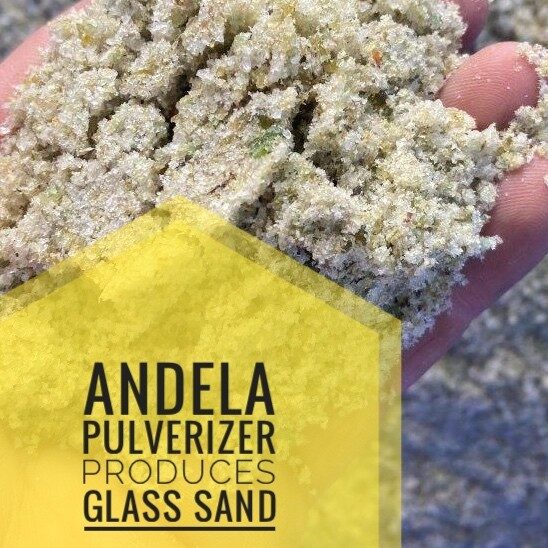
As environmental challenges evolve, so do the markets for engineered mineral materials
Researchers around the world are exploring how mineral-based materials can help address issues such as PFAS contamination, stormwater management, coastal resilience, carbon sequestration, soil health, and mine reclamation.
While each application has its own technical requirements, they share a common theme: the need for durable, consistent mineral products that can perform a specific function.
Recent research from Yale University is one example
Scientists proposed a lower-cost approach to remediating PFAS-contaminated farmland using alkaline mineral amendments, specialized crops such as sunflowers, and biochar production.
Recycled glass sand is an alkaline mineral
The study focused on alkaline rock materials rather than recycled glass, but it highlights a broader trend; researchers are increasingly looking beyond traditional materials and exploring innovative mineral solutions to environmental problems.

Scientists proposed a lower-cost approach to remediating PFAS-contaminated farmland using alkaline mineral amendments, sunflowers, and biochar production.
Where could glass sand and glass aggregate fit into tomorrow’s environmental markets?
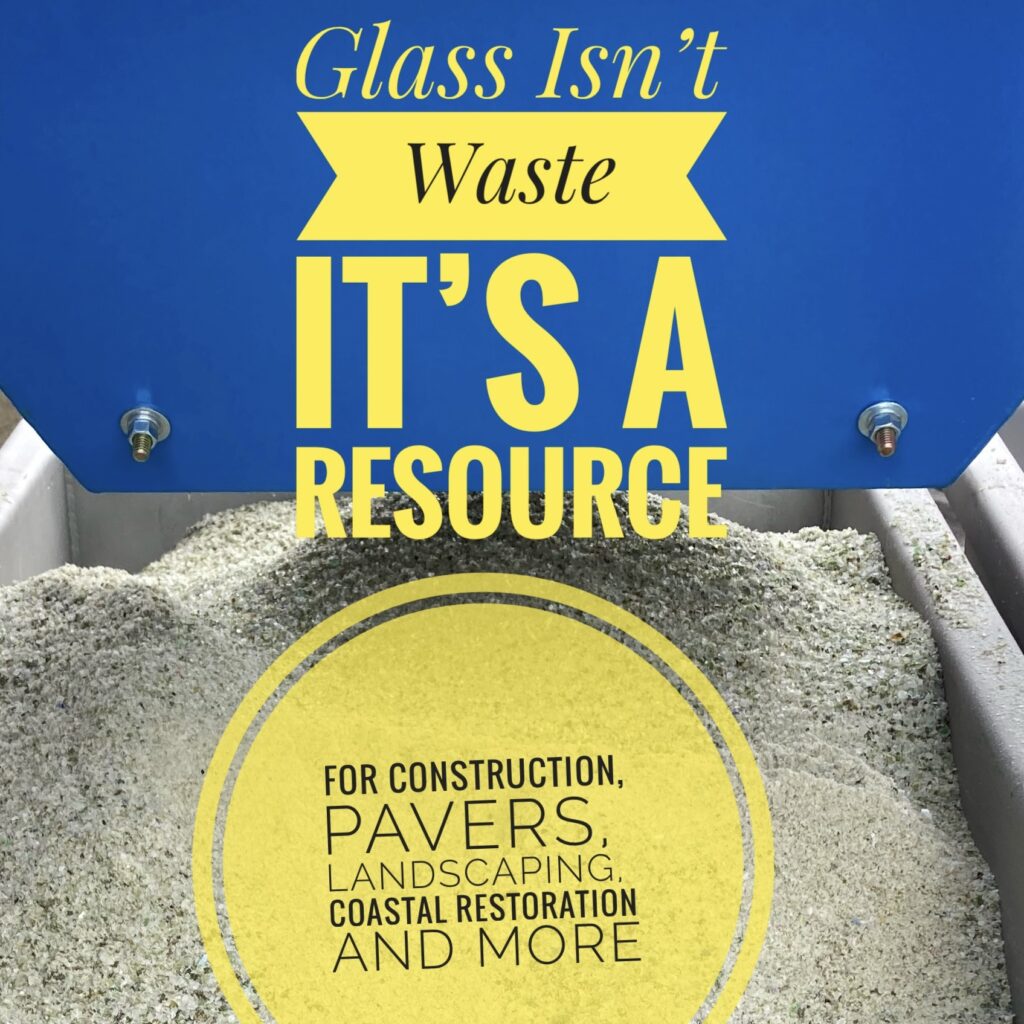
Glass isn’t waste — it becomes a usable material when processed correctly.
Today, recycled glass already replaces natural aggregates in many applications
Glass sand is used in construction, filtration, and coastal restoration.
Glass aggregate is used for landscaping, pipe bedding, concrete products, and other infrastructure projects.
Every ton of recycled glass used in these applications helps reduce the demand for newly mined or dredged materials while giving discarded glass a productive second life.
The next generation of opportunities may extend even further
As new environmental technologies emerge, researchers continue to evaluate a wide range of engineered mineral materials for specialized applications.
Recycled glass may prove to have additional uses in some of these developing markets, while other applications may require different materials altogether.
Continued research will determine where glass can provide the greatest value.

Waste glass can be pulverized into clean glass sand
For organizations investing in glass recycling equipment, this highlights an important point: producing high-quality, consistent glass sand and glass aggregate creates opportunities beyond today’s established markets.
The ability to manufacture engineered mineral products with predictable size and quality allows recyclers to participate in new applications as they are developed and commercialized.
The future of recycled glass
At Andela Products, we believe successful glass recycling is about more than diverting material from landfills; it’s about producing engineered glass sand and glass aggregate that meet today’s markets while remaining ready for the opportunities of tomorrow.
The future of recycled glass will be shaped by innovation, research, and the growing demand for sustainable mineral materials that solve real-world problems.